Respiratory Protective Equipment (RPE) is a type of Personal Protective Equipment (PPE) designed to keep workers from inhaling harmful compounds in the workplace air. These hazardous substances may include dust, fumes, vapours, gasses, smoke, mists, or biological agents.
When administrative and engineering safeguards are insufficient to completely eradicate the risk, RPE serves as the last option.
اردو ترجمہ:
Respiratory Protective Equipment (RPE) ذاتی حفاظتی سامان (PPE) کی ایک قسم ہے جو ملازمین کو اُس ہوا میں موجود خطرناک مادّوں کو سانس کے ذریعے اندر جانے سے روکنے کے لیے بنایا جاتا ہے جس میں وہ کام کرتے ہیں۔ ان خطرناک چیزوں میں گرد و غبار، دھواں، بخارات، گیسیں، اسموک، باریک دھند (مسٹ) اور حیاتیاتی جراثیم شامل ہیں۔
جب انتظامی اور انجینئرنگ حفاظتی اقدامات خطرے کو مکمل طور پر ختم کرنے کے لیے کافی نہ ہوں، تو RPE کو آخری حل (آخری حفاظتی ذریعہ) کے طور پر استعمال کیا جاتا ہے
Why is RPE Important?
Because respiratory hazards are frequently invisible, employees may not be aware that they are inhaling chemicals that are harmful.
چونکہ سانس کے ذریعے ہونے والے خطرات اکثر نظر نہیں آتے، اس لیے ملازمین کو یہ معلوم بھی نہیں ہوتا کہ وہ نقصان دہ کیمیکلز سانس کے ذریعے اندر لے رہے ہیں۔
When is RPE Required?
RPE must be done for employees who are exposed to:
RPE اُن ملازمین کے لیے لازمی ہونا چاہیے جو درج ذیل چیزوں کے سامنا میں ہوں:
- Dust (cement, silica, wood)
- Welding fumes
- Chemical vapors
- Toxic gases
- Paint spray
- Biological hazards
- Smoke and fire
- Confined spaces
• گرد و غبار (سیمنٹ، سلیکا، لکڑی کی دھول)
• ویلڈنگ کا دھواں
• کیمیائی بخارات
• زہریلی گیسیں
• پینٹ کا اسپرے
• حیاتیاتی خطرات (جراثیم وغیرہ)
• دھواں اور آگ
• بند جگہیں (Confined Spaces)
RPE becomes required if ventilation or extraction systems are unable to manage the air quality.
اگر ہوا کی صفائی یا نکاسی (Ventilation یا Extraction) کے نظام ہوا کے معیار کو قابو میں رکھنے میں ناکام ہوں تو RPE لازمی ہو جاتا ہے۔
Why is RPE Considered the Last Resort?
RPE applies as a last resort due to the following reasons:
RPE کو آخری حل (Last Resort) کے طور پر استعمال کیا جاتا ہے، اس کی وجوہات درج ذیل ہیں:
- It only protects individual workers, not everyone.
- It can fail if damaged or poorly maintained.
- Workers may wear the wrong type of RPE.
- Improper fitting can make it ineffective.
- It may create a false sense of security.
• یہ صرف انفرادی کارکن کی حفاظت کرتا ہے، سب کی نہیں۔
• اگر یہ خراب ہو جائے یا صحیح طریقے سے برقرار نہ رکھا جائے تو ناکام ہو سکتا ہے۔
• کارکن غلط قسم کا RPE استعمال کر سکتے ہیں۔
• غلط فٹنگ (ناقص فٹ ہونا) اسے غیر مؤثر بنا سکتی ہے۔
• یہ کارکنوں میں جھوٹی حفاظت کا احساس پیدا کر سکتا ہے۔
That is why RPE should never replace proper engineering or safety systems.
اسی لیے RPE کو صحیح انجینئرنگ یا حفاظتی نظاموں کی جگہ نہیں لینا چاہیے۔
Health Risks Without RPE
- Shortness of breath
- Chronic coughing
- Occupational asthma
- Silicosis
- Asbestosis
- Lung cancer
- Chemical poisoning
- Oxygen deficiency
• سانس کی کمی (Shortness of breath)
• مسلسل کھانسی (Chronic coughing)
• پیشہ ورانہ دمہ (Occupational asthma)
• سلیکو سِس (Silicosis)
• اسبیسٹوسِس (Asbestosis)
• پھیپھڑوں کا کینسر (Lung cancer)
• کیمیائی زہر آلودگی (Chemical poisoning)
• آکسیجن کی کمی (Oxygen def
Using correct RPE helps to:
- Prevent occupational diseases
- Reduce absenteeism
- Improve worker productivity
- Ensure legal compliance
- Save lives
• پیشہ ورانہ بیماریوں سے بچاؤ
• غیرحاضری (Absenteeism) میں کمی
• کارکنوں کی پیداواریت (Productivity) میں بہتری
• قانونی تقاضوں کی پابندی کو یقینی بنانا
• جانوں کی حفاظت کرنا
Types of Respiratory Protective Equipment (RPE)
RPE is mostly classified into two main categories:
RPE کو عام طور پر دو بنیادی اقسام (مین کیٹیگریز) میں تقسیم کیا جاتا ہے:
1. Air-Purifying Respirators (APR)
These filters remove contaminants from the air before the user breathes it.
یہ فلٹرز ہوا میں موجود آلودہ مادّوں کو صاف کرتے ہیں اس سے پہلے کہ صارف اسے سانس کے ذریعے اندر لے۔
Examples:
1- Disposable dust masks (N95, FFP2, FFP3)
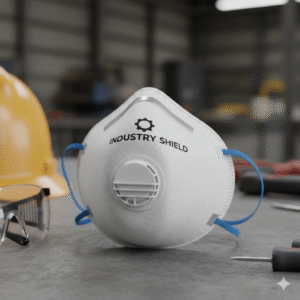
2-Half-face respirators
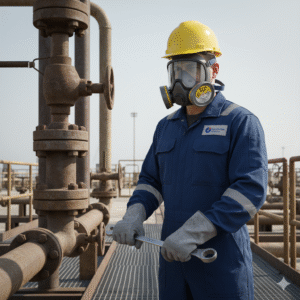
3- Full-face respirators
• Powered Air-Purifying Respirators (PAPR
Used for:
- Dust
- Fumes
- Vapors
- Mists
- Biological particles
2. Air-Supplying Respirators (ASR)
These provide clean air from an external source.
یہ آلات بیرونی ذریعے سے صاف ہوا فراہم کرتے ہیں۔
Examples:
• Airline respirators
• Self-Contained Breathing Apparatus (SCBA)
Used for:
- Oxygen-deficient environments
- Confined spaces
- Toxic gas exposure
- Firefighting
- Chemical spill
Common Types of Respirator Masks:
1. Disposable Masks
- Single-use
- Low protection
- For dust and light particles
2. Half-Face Respirators
- Covers nose and mouth
- Uses replaceable filters
- Medium protection
3. Full-Face Respirators
- Covers entire face
- Protects eyes also
- High protection
Self-Contained Breathing Apparatus
- Independent air supply
- Maximum protection
- Used in extreme hazards
Legal Requirements for RPE
Most safety standards require firms to:
زیادہ تر حفاظتی معیار (Safety Standards) کمپنیوں سے توقع کرتے ہیں کہ وہ:
- Provide suitable RPE
- Train workers
- Conduct risk assessments
- Ensure fit testing
- Maintain equipment
- Monitor air quality
• مناسب RPE فراہم کرنا
• کارکنوں کو تربیت دینا
• خطرے کا جائزہ لینا (Risk Assessments کرنا)
• فِٹ ٹیسٹنگ (Fit Testing) کو یقینی بنانا
• آلات کی دیکھ بھال کرنا
• ہوا کے معیار کی نگرانی کرنا
Failure to comply can lead to:
- Legal penalties
- Fines
- Workplace accidents
- Fatalities
• قانونی سزائیں (Legal penalties) – قوانین کی خلاف ورزی پر قانونی کارروائی یا سزا
• جرمانے (Fines) – مالی سزا یا رقم ادا کرنا
• کام کی جگہ پر حادثات (Workplace accidents) – کام کے دوران زخمی ہونا یا حادثہ ہونا
• اموات (Fatalities) – موت یا جان کا ضیاع
How to Select the Correct Respiratory Protective Equipment
To guarantee that employees are properly insulated from dangerous particles in the air, it is important to choose the appropriate Respiratory Protective Equipment (RPE). Workers who wear the incorrect kind of respirator face the danger of developing major health conditions such oxygen lack, chemical poisoning, and lung diseases. As a result, a thorough risk assessment and safety regulations including OSHA, NEBOSH, and international occupational safety recommendations must perform as the foundation for appropriate selection.
کارکنوں کو ہوا میں موجود خطرناک ذرات سے مناسب طور پر محفوظ رکھنے کے لیے درست Respiratory Protective Equipment (RPE) کا انتخاب نہایت ضروری ہے۔ اگر کارکن غلط قسم کا ریسپیریٹر استعمال کریں تو انہیں سنگین صحت کے مسائل کا سامنا ہو سکتا ہے، جن میں آکسیجن کی کمی، کیمیائی زہر (Chemical Poisoning)، اور پھیپھڑوں کی بیماریاں شامل ہیں۔
لہٰذا، درست RPE کے انتخاب کی بنیاد ایک مکمل رسک اسیسمنٹ (Risk Assessment) اور حفاظتی ضوابط جیسے OSHA، NEBOSH، اور بین الاقوامی پیشہ ورانہ حفاظتی رہنما اصولوں پر ہونی چاہیے تاکہ کارکنوں کی مؤثر اور مکمل حفاظت یقینی بنائی جا سکے
1. Identify the Type of Respiratory Hazard
The first step in choosing the appropriate RPE is to determine the type of hazardous danger present at the workplace. Different respirators are intended to protect against various risks.
درست Respiratory Protective Equipment (RPE) کے انتخاب کا پہلا مرحلہ کام کی جگہ پر موجود خطرناک مادوں یا خطرے کی قسم کا تعین کرنا ہے۔ مختلف ریسپیریٹر مختلف قسم کے خطرات سے تحفظ فراہم کرنے کے لیے بنائے گئے ہیں۔
Common types of respiratory hazards include:
1-Dust Hazard
Dust dangers arise when fine particles, including wood dust, coal dust, silica dust, or cement dust, get into the air and can be inhaled by employees. Serious respiratory conditions like silicosis, lung inflammation, and chronic breathing issues can be brought on by these particles.
گرد و غبار کے خطرات اس وقت پیدا ہوتے ہیں جب باریک ذرات، جیسے لکڑی کی دھول، کوئلے کی دھول، سلیکا ڈسٹ، یا سیمنٹ کی دھول ہوا میں شامل ہو جاتے ہیں اور کارکن انہیں سانس کے ذریعے اندر لے سکتے ہیں۔ یہ ذرات سنگین سانس کی بیماریوں کا سبب بن سکتے ہیں، جن میں سلیکوسس (Silicosis)، پھیپھڑوں کی سوزش، اور دائمی سانس کے مسائل شامل ہیں۔
Dust Hazard Protection
used Dust masks or particulate respirators
2-Gas Hazard
When dangerous gases like carbon monoxide, hydrogen sulfide, ammonia, or chlorine are present in the air at work, gas hazards arise. These gasses have the potential to be highly dangerous and can result in serious health effects such difficulty breathing, unconsciousness, poisoning, or even death if inhaled.
کام کی جگہ پر جب ہوا میں خطرناک گیسیں جیسے کاربن مونو آکسائیڈ، ہائیڈروجن سلفائیڈ، امونیا، یا کلورین موجود ہوں تو گیس کے خطرات پیدا ہوتے ہیں۔ یہ گیسیں انتہائی خطرناک ہو سکتی ہیں اور سانس لینے کی مشکلات، بے ہوشی، زہر آلودگی (poisoning)، یا یہاں تک کہ موت کا سبب بن سکتی ہیں اگر انہیں اندر لیا جائے۔
Gas Hazard Protection
Used gas Filters or supplied-air respirators
Identifying the hazard ensures the correct type of respirator is selected.
خطرے کی درست شناخت اس بات کو یقینی بناتی ہے کہ صحیح قسم کا ریسپیریٹر منتخب کیا جائے۔
Determine the Concentration Level of Contaminants
To check the necessary level of protection, the percentage of particles in the air must be determined.
This is usually done through:
Air monitoring
Gas detection equipment
Workplace exposure assessment
If contaminant levels are low, an air-purifying respirator may be sufficient.
If contamination levels are high or life-threatening, air-supplying respirators such as SCBA are required.
Determine the Concentration Level of Contaminants
The oxygen content of normal air is about 21%. When the oxygen level drops below 19.5%, the environment becomes hazardous and oxygen-deficient
In oxygen-deficient environments:
Air-purifying respirators must NOT be used
Only air-supplying respirators such as SCBA or airline respirators are safe
Examples of oxygen-deficient environments are:
Confined spaces
Tanks and vessels
Underground tunnels
Training and User Awareness
Workers should be well trained on:
How to wear respirators
How to inspect respirators
How to maintain respirators
When to replace filters
Training ensures that respirators are worn properly and safely.
تربیت یہ یقینی بناتی ہے کہ ریسپیریٹرز کو صحیح طریقے سے اور محفوظ انداز میں پہنا جائے۔